Kitchen appliances have gone through a quiet revolution over the past decade, and multi-cookers sit right at the center of that shift. Instead of owning five or six single-purpose gadgets, many households now look for one appliance that can reasonably replace most of them. The Instant Pot Pro Plus 10-in-1 Multi-Cooker, a 6-quart electric pressure cooker with app connectivity, is one example of this category, built around the idea of consolidating multiple cooking functions into a single countertop device.
This article walks through what the appliance offers, how it might fit into different kitchens, and what to think about before deciding whether it matches your cooking habits. Rather than focusing on marketing language, the goal here is to give you a grounded, informative look at the product’s features and practical use cases.
What Is the Instant Pot Pro Plus 10-in-1?
The Instant Pot Pro Plus is part of Instant Pot’s broader lineup of multi-functional electric cookers. As the name suggests, it combines ten cooking functions into one unit: pressure cooking, slow cooking, rice and grain cooking, steaming, sautéing, sous vide, yogurt making, sterilizing, warming, and more, depending on how the manufacturer categorizes overlapping features. It comes in a 6-quart capacity, which is generally considered a mid-size option suitable for small to medium households, though it can also handle larger batch cooking for meal prep purposes.
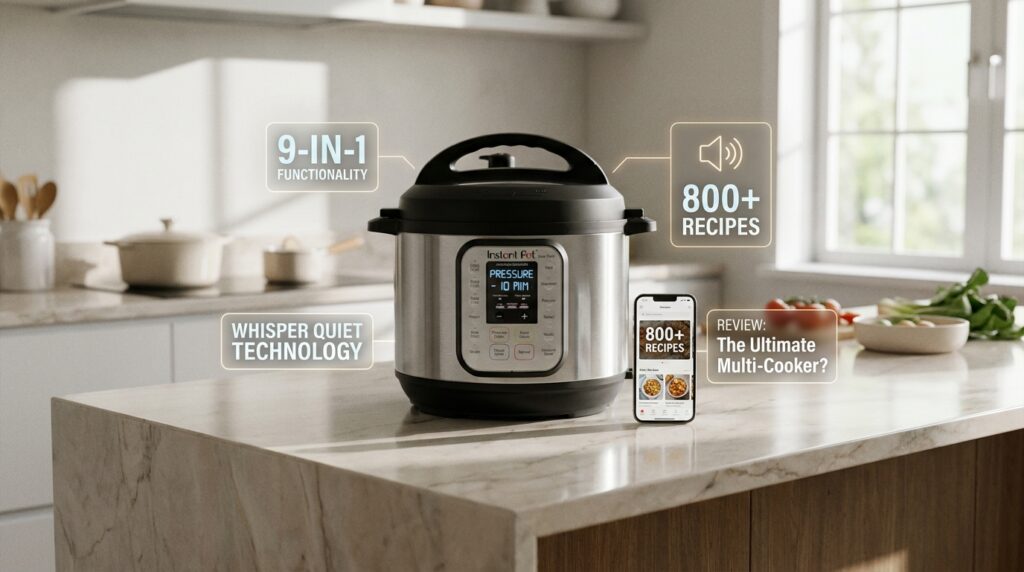
One of the more notable additions in the “Pro Plus” version compared to earlier Instant Pot models is companion app connectivity. The device is designed to work alongside a mobile app that reportedly offers around 800 guided recipes, allowing users to select a dish and have suggested settings sent to the appliance, at least for supported recipes and functions.
Key Features
Multiple Cooking Functions in One Unit
At its core, this appliance is designed to reduce the number of separate tools needed in a kitchen. Instead of owning a dedicated rice cooker, a slow cooker, a yogurt maker, and a steamer, the idea is that these functions are consolidated into a single device. This is particularly relevant for people with limited counter or storage space.
Pressure Cooking Capability
Pressure cooking is one of the primary draws of Instant Pot appliances in general. By cooking food under pressure, cooking times for certain dishes, such as beans, stews, or tougher cuts of meat, can potentially be reduced compared to conventional stovetop or oven methods. This doesn’t mean every dish cooks instantly, but for foods that typically require long simmering times, pressure cooking can be a notable time-saver.
Sous Vide Function
Sous vide cooking involves cooking food at a precise, consistent low temperature, often in a sealed bag submerged in water. Having this function built into a multi-cooker means users interested in this style of cooking don’t necessarily need a separate immersion circulator, provided the built-in sous vide function meets their needs for temperature range and precision.
Yogurt Making Setting
The yogurt function allows users to ferment milk into yogurt using controlled, consistent low heat over an extended period. This is a feature that some home cooks find useful for reducing reliance on store-bought yogurt, particularly if they prefer to control ingredients or sugar content.
Sterilizing and Warming Functions
The sterilize function can be useful for tasks like sanitizing baby bottles, canning jars, or other kitchenware that requires high-heat treatment. The warming function, meanwhile, helps keep cooked food at a stable temperature for a period after cooking, which can be convenient for gatherings or staggered mealtimes.
App Connectivity and Recipe Access
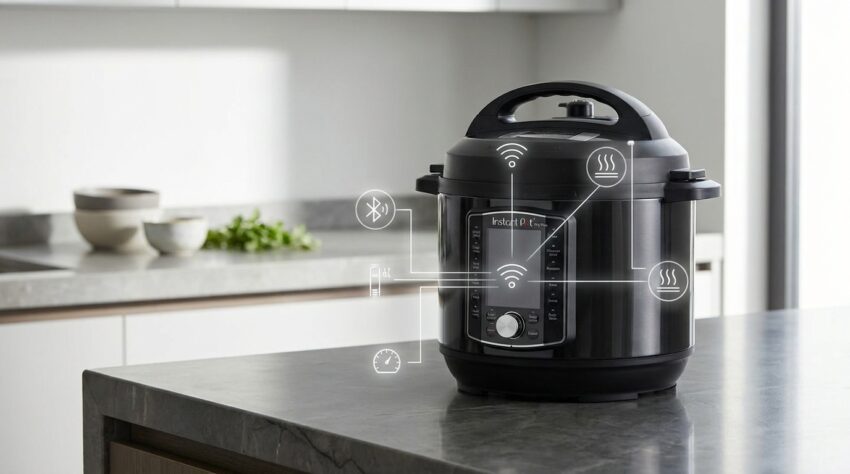
The companion app is a differentiating feature for the “Pro Plus” model line. With guided recipes, the app is designed to help less experienced cooks follow along more easily, since it can (for supported recipes) send cook settings directly to the device rather than requiring manual input. This may reduce guesswork, particularly for people newer to pressure cooking who are unsure about appropriate times and pressure levels for specific ingredients.
Digital Display and Controls
Like most modern Instant Pot models, the Pro Plus includes a digital control panel that displays cooking progress, remaining time, and selected functions. This is generally more intuitive than analog dials, especially for multi-step recipes.
How It Can Be Used
Understanding the functions is one thing, but it helps to consider how they might actually show up in day-to-day cooking.
Weeknight meals: For busy households, the pressure cooking function can be used to prepare dishes like soups, chilis, curries, or braised meats in less time than traditional methods might require. This can be particularly helpful on weeknights when time is limited but a home-cooked meal is still preferred over takeout.
Batch cooking and meal prep: The 6-quart capacity is generally large enough to prepare batch meals for the week, such as grains, shredded chicken, or bean-based dishes, which can then be portioned into containers for later use.
Slow-cooked dishes: For those who prefer the flavor development that comes from longer cooking times, the slow cook function offers an alternative to pressure cooking, useful for dishes like pulled pork, stews, or slow-braised vegetables.
Rice and grains: The dedicated rice/grain function is designed to simplify cooking staples like white rice, brown rice, quinoa, or other grains with more consistency than manual stovetop methods might offer, since it can adjust based on grain type.
Steaming vegetables or dumplings: The steaming function can be used with a steaming basket or rack (sold separately in some cases, or included depending on the specific package) to prepare vegetables, fish, or dumplings without added fat.
Sautéing before pressure cooking: Many recipes benefit from browning meat or sautéing aromatics like onions and garlic before pressure cooking. Having a built-in sauté function means this can be done in the same pot, without dirtying a separate pan.
Homemade yogurt: For those interested in reducing plastic packaging waste or customizing sweetness and thickness, the yogurt function offers a way to make yogurt at home using simple ingredients like milk and a starter culture.
Sous vide precision cooking: For more advanced home cooks, the sous vide function can be used for items like eggs, steak, or vegetables that benefit from precise temperature control, potentially reducing the risk of overcooking.
Sanitizing kitchen items: The sterilize function can be handy for parents needing to sanitize bottles or pacifiers, or for those who do home canning and need to sterilize jars before use.
Who It May Be Suitable For
This type of appliance tends to appeal to a fairly broad range of users, though it’s worth considering your own cooking habits before deciding if it’s a good fit.
Busy individuals and families who want to cut down on cooking time without necessarily sacrificing homemade meals may find the pressure cooking and slow cooking functions useful for weeknight dinners.
People with limited kitchen space might appreciate consolidating multiple appliances into one unit, especially in apartments or smaller kitchens where counter and cabinet space is limited.
Home cooks who enjoy variety in cooking methods, from steaming to sautéing to slow cooking, may find the multi-function design more practical than owning several single-purpose devices.
Beginner cooks who want more guidance may benefit from the companion app’s recipe suggestions, which can help reduce uncertainty around cook times and settings.
Meal preppers who batch-cook proteins, grains, and beans for the week may find the capacity and functions align well with that kind of routine.
On the other hand, those who already own several of these appliances separately, or who have very specific preferences for a dedicated device (such as a high-end standalone sous vide circulator), may not find as much added value in a multi-function unit.
Important Things to Consider
Before deciding on this or any multi-cooker, there are a few practical points worth thinking through.
Learning Curve
Pressure cookers, in particular, can involve a learning curve for those unfamiliar with the appliance. Understanding concepts like natural pressure release versus quick release, or how to adjust cook times for different ingredients, may take some initial practice.
Counter and Storage Space
While the appliance is designed to replace multiple devices, it still occupies a fairly significant footprint on a counter or in storage, particularly given the lid, inner pot, and any additional accessories. It’s worth measuring your available space beforehand.
App Dependency for Some Features
While the appliance can generally be operated manually without the app, some of the guided recipe conveniences are tied to app connectivity. This means a stable Wi-Fi connection and smartphone may be necessary to access the full range of the app’s guided cooking features.
Capacity Considerations
A 6-quart capacity is often described as suitable for households of around three to six people, depending on the dish. Those cooking for larger groups regularly, or those who frequently do very large batch cooking, may want to compare this against larger capacity options if available.
Maintenance and Cleaning
Multi-cookers with several functions often have specific cleaning requirements, particularly around the sealing ring, which can absorb odors over time depending on what’s cooked. Reviewing manufacturer care instructions can help maintain the appliance’s condition and performance over time.
Accessories
Some functions, like steaming or sous vide cooking, may require additional accessories such as steaming racks or vacuum-seal bags, which may or may not be included depending on the specific package purchased.
Comparing General Categories of Kitchen Appliances
It can help to understand where multi-cookers like this one sit in the broader landscape of kitchen appliances, without getting into direct brand-versus-brand comparisons.
Single-function appliances (such as a standalone rice cooker or slow cooker) are often simpler to operate and may be more specialized for their specific task, but require more storage space if you want multiple cooking styles available.
Multi-cookers aim to condense several functions into one device, which can save space and potentially cost less overall than buying several individual appliances, though this depends on how many of the functions you actually use regularly.
Smart or app-connected appliances generally add a layer of convenience through guided settings and recipe suggestions, which may benefit less experienced cooks, though they also introduce a reliance on connectivity and software that isn’t necessary with fully manual appliances.
Traditional stovetop cooking methods remain more hands-on and don’t rely on electronic components at all, which some people prefer for reliability and simplicity, even if it means longer cooking times for certain dishes.
Each category has trade-offs, and the right choice generally comes down to how much you value convenience and space-saving versus simplicity and specialization.
Frequently Asked Questions
Does this appliance require the companion app to function? Generally, multi-cookers like this can be operated manually using the control panel, with the app serving as an additional tool for guided recipes rather than a strict requirement for basic use.
Is the 6-quart size enough for a family? A 6-quart capacity is typically suitable for small to medium households, though this can vary depending on the specific recipe and how much food you’re preparing at once.
Can it replace a slow cooker entirely? Since slow cooking is one of the built-in functions, it can generally serve as a substitute for a standalone slow cooker, though performance can vary by recipe and personal preference.
Do I need extra accessories for steaming or sous vide? Some functions may benefit from additional accessories, such as a steaming rack or vacuum-seal bags, which may or may not be included depending on the specific package.
Is it safe to use for sterilizing baby items? The sterilize function is generally designed for high-heat sanitizing tasks, though it’s worth reviewing the manufacturer’s specific guidelines for what items are safe to sterilize using this method.
How long does the yogurt function typically take? Yogurt-making generally involves a longer, low-heat process that can take several hours, since it relies on slow fermentation rather than rapid heating.
Conclusion
The Instant Pot Pro Plus 10-in-1 Multi-Cooker represents a fairly comprehensive approach to consolidating kitchen appliances into a single unit. With functions ranging from pressure cooking and slow cooking to sous vide and yogurt making, it’s designed for people who want flexibility in their cooking methods without needing separate devices for each task. The addition of app connectivity and guided recipes may also appeal to those looking for extra support in the kitchen, particularly beginners.
As with any kitchen appliance, it’s worth weighing your own cooking habits, available space, and specific needs before deciding if this type of multi-cooker fits into your routine. For households that value variety and convenience in one device, it may be a practical addition to consider.