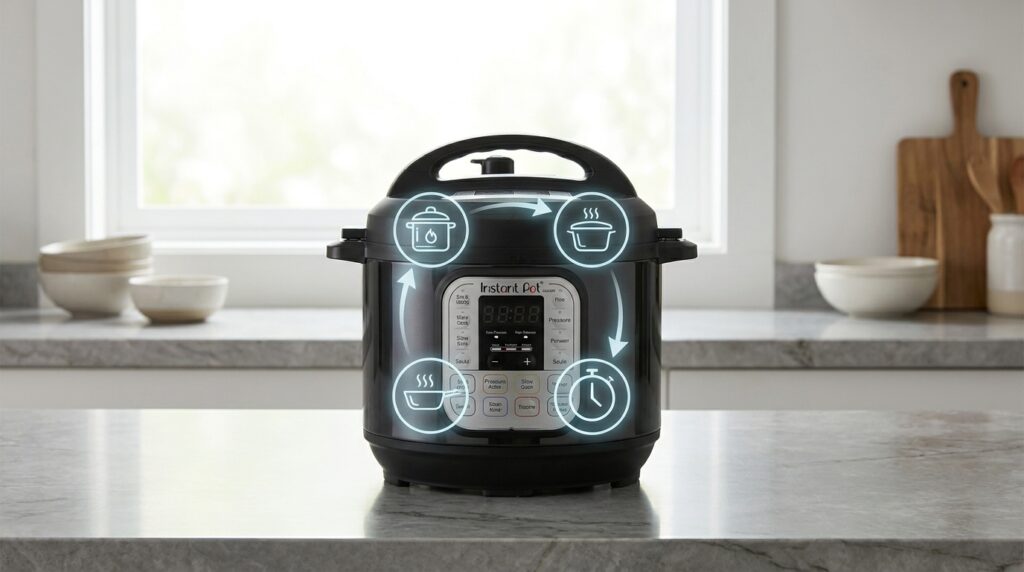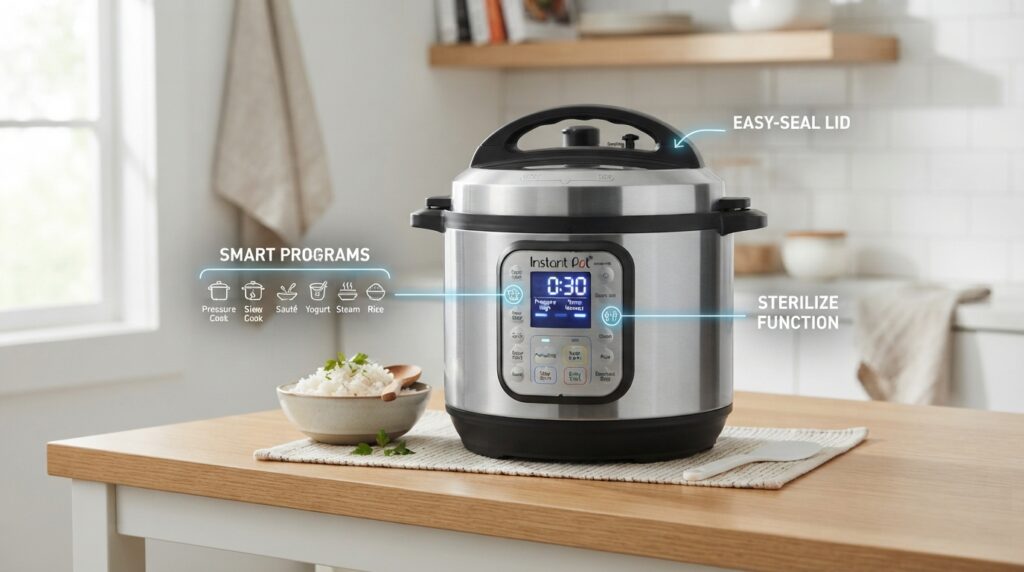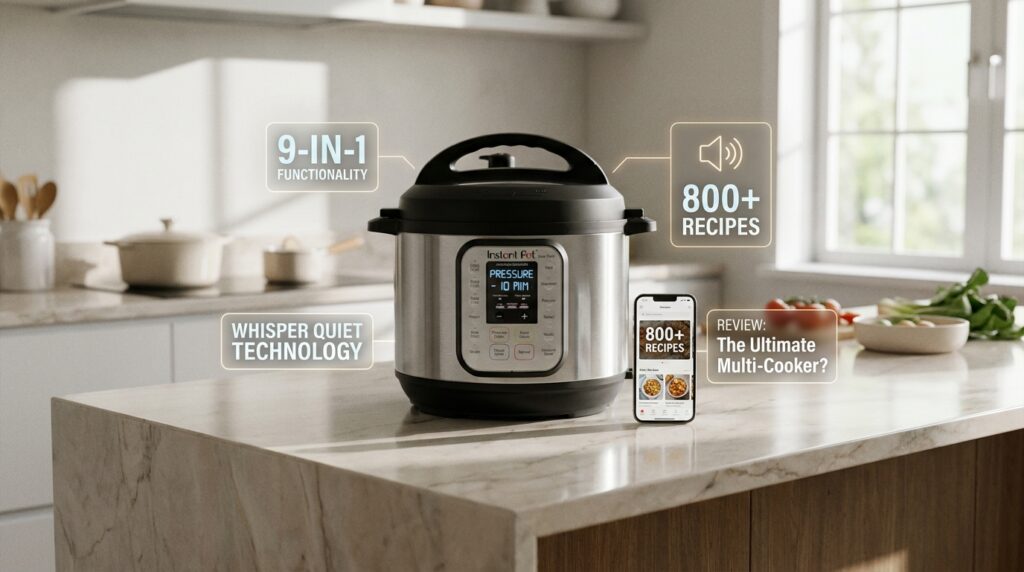
Kitchen appliances have a way of piling up in cabinets, each one promising to simplify a single task while quietly taking up space for the other 360 days it sits unused. The multi-cooker category emerged largely as a response to this problem, and the Instant Pot 4QT RIO Mini 7-in-1 Multi-Cooker is one example of how manufacturers have tried to consolidate several kitchen functions into a single countertop unit. This article walks through what the appliance offers, how people typically incorporate it into their routines, and what factors are worth thinking through before deciding whether it fits your household.
This is an informational overview rather than a personal review. The goal here is to help you understand the product’s stated capabilities, common use cases, and practical considerations so you can make a more informed decision on your own terms.
What Is the Instant Pot 4QT RIO Mini?
The RIO Mini is a compact version of the broader Instant Pot lineup, designed with a 4-quart capacity that positions it as a smaller-footprint option compared to the more commonly seen 6-quart and 8-quart models. It’s marketed as a 7-in-1 appliance, meaning it’s built to replace several single-purpose kitchen tools: a pressure cooker, slow cooker, rice cooker, steamer, yogurt maker, sauté pan, and warming tray.
The “mini” designation isn’t just a marketing label — the reduced size genuinely changes who this appliance tends to suit, which we’ll get into further down. For now, it’s enough to understand that this is a multi-function electric cooking appliance intended to handle a range of everyday cooking tasks without requiring a person to own seven different gadgets.
Key Features
Multiple Cooking Functions in One Unit
The core appeal of any Instant Pot model is the consolidation of functions. In the case of the RIO Mini, the seven functions typically include:
- Pressure cooking – for faster preparation of foods that normally take longer on a stovetop, such as beans, grains, and tougher cuts of meat
- Slow cooking – for low-and-slow meal preparation similar to a traditional slow cooker
- Sautéing – allowing users to brown meat or soften vegetables directly in the pot before switching to another cooking mode
- Steaming – useful for vegetables, dumplings, or seafood
- Rice cooking – a dedicated setting calibrated for various rice types
- Yogurt making – a lower-temperature, extended-duration setting for culturing yogurt at home
- Warming – to keep finished food at a safe serving temperature until it’s ready to be served
Each function is generally accessed through preset buttons on the control panel, which is intended to simplify the process compared to manually adjusting temperature and time settings the way you might with a stovetop or oven.
Compact 4-Quart Capacity
Unlike the larger 6-quart or 8-quart Instant Pot models often seen in family kitchens, the RIO Mini’s 4-quart capacity is designed with smaller households in mind. This size is generally suited to preparing meals for one to three people, depending on the dish. It also tends to take up meaningfully less counter and storage space, which can matter in apartments, dorm rooms, or smaller kitchens.
Microprocessor-Based Cooking Technology
Instant Pot models, including the RIO Mini, typically rely on a microprocessor that monitors pressure, temperature, and timing throughout the cooking process. This is intended to reduce the guesswork involved in achieving consistent results, particularly for pressure cooking, where timing and pressure control matter for both food safety and texture.
Safety Mechanisms
Modern electric pressure cookers, including this model, are generally built with multiple layers of safety features. These often include lid-locking mechanisms that prevent the unit from being opened while under pressure, as well as pressure-release valves and overheat protection. These features are standard across most reputable electric pressure cookers today and are worth understanding if you’re new to pressure cooking as a method.
Stainless Steel Inner Pot
Many Instant Pot models, including compact ones like the RIO Mini, include a stainless steel cooking pot rather than a non-stick coated one. Stainless steel is generally considered more durable over time and avoids some of the coating-wear concerns associated with non-stick surfaces, though it can require slightly more attention when cleaning stuck-on food.
How It Can Be Used
One of the more practical ways to think about a 7-in-1 multi-cooker is not as a single-purpose device, but as a small kitchen ecosystem. Here are some of the ways people commonly incorporate a compact multi-cooker like this into their routines:
Weeknight Meal Preparation
Pressure cooking is often used to cut down cooking time for dishes that would otherwise take much longer. Grains, legumes, stews, and certain cuts of meat can be prepared in a fraction of the time compared to conventional stovetop methods, which can be useful for people trying to get a meal on the table after a long day.
Batch Cooking for One or Two People
Given its smaller capacity, the RIO Mini is often used by individuals or couples who don’t need to cook in bulk. It can be a practical tool for meal-prepping smaller portions of soups, grains, or proteins without the excess that a larger pot might produce.
Homemade Yogurt
The yogurt-making function is a less commonly used feature but one that some people find valuable, particularly those interested in reducing reliance on store-bought yogurt or controlling the ingredients and sweetness level in their homemade batches. This function typically involves heating milk to a specific temperature, cooling it, adding a starter culture, and then maintaining a consistent low temperature for several hours.
Steaming Vegetables or Seafood
Using the included trivet or a separate steamer basket, the unit can be used to steam vegetables, fish, or other delicate foods without submerging them directly in water, which can help retain nutrients and texture better than boiling.
Sautéing Before Slow or Pressure Cooking
A useful sequence some home cooks follow is to sauté aromatics like onions or garlic directly in the pot, then switch to pressure or slow cook mode without needing to dirty a separate pan. This single-pot workflow is one of the more commonly cited conveniences of the appliance category as a whole.
Reheating and Keeping Food Warm
The warming function can be used after any of the other cooking modes to hold food at a safe temperature, which can be useful when timing a meal around other tasks or when serving food to people arririving at different times.
Who It May Be Suitable For
Because of its smaller 4-quart size, this particular model tends to be a better fit for certain households than others.
Individuals living alone often find that the reduced capacity aligns well with single-serving or small-batch cooking, without the need to store large leftovers.
Couples or small households of two may also find the size workable, particularly for meals that don’t require large quantities, such as grain bowls, smaller stews, or side dishes.
People in apartments, dorms, or smaller kitchens may appreciate the more compact footprint, both in terms of counter space while in use and storage space when not.
Those new to pressure cooking might find a smaller unit less intimidating to start with, since the stakes (and quantities) involved in learning the settings are lower compared to a larger pot.
People looking to consolidate small appliances may see this as a way to reduce the number of individual gadgets — a rice cooker, a yogurt maker, a slow cooker — taking up space in the kitchen.
On the other hand, larger families, those who regularly cook in bulk for meal prepping across a full week, or people who frequently host larger groups may find the 4-quart capacity limiting. In those cases, a 6-quart or 8-quart version within the same general product family might align better with their needs.
Important Things to Consider
No kitchen appliance is a universal fit, and it’s worth thinking through a few practical points before deciding whether this is the right addition to your kitchen.
Capacity Limitations
The 4-quart size is the most significant factor to weigh. It’s noticeably smaller than the more commonly discussed 6-quart Instant Pot models, and this affects not just how much food you can cook at once, but also how large the ingredients you’re using can be. Whole chickens or large roasts, for instance, may not fit comfortably.
Learning Curve With Pressure Cooking
If you haven’t used a pressure cooker before, there’s typically a short learning period involved in understanding cook times, natural versus quick pressure release, and how liquid ratios differ from conventional cooking. Reading the included instruction manual thoroughly, and perhaps supplementing with community resources or recipe guides designed specifically for the appliance, can help shorten this adjustment period.
Storage of Accessories
Multi-cookers often come with a number of accessories, such as a steaming rack, measuring cup, and spoon. While the main unit is compact, keeping track of accessories and finding storage for them is a small but real consideration.
Cleaning Requirements
The stainless steel inner pot is generally dishwasher-safe, but the sealing ring and certain components may retain odors from previous meals unless cleaned thoroughly and aired out between uses. Some users choose to keep a second sealing ring on hand, one for savory dishes and one for sweeter or more neutral recipes like yogurt, to avoid flavor transfer.
Countertop Space and Ventilation
Even though the RIO Mini is more compact than larger models, it still requires adequate clearance for the steam release valve to function safely, so placement under low cabinets or in tight corners should be avoided.
Power and Electrical Considerations
Like most electric pressure cookers, this model requires access to a standard electrical outlet and draws a meaningful amount of power during the initial heating phase. This is generally not a concern for most kitchens but is worth noting if you’re using extension cords or older wiring.
Comparing General Categories of Kitchen Cooking Appliances
To put the multi-cooker format into context, it can help to compare it against other general categories of kitchen appliances without focusing on any specific brand or competitor.
Traditional Slow Cookers Dedicated slow cookers are generally simpler in design, often with just low, high, and warm settings. They tend to be less expensive and more straightforward to operate, but they lack the pressure cooking or sautéing versatility that a multi-cooker provides. For people who almost exclusively make slow-cooked meals, a dedicated slow cooker might feel more intuitive, though it won’t replace other appliances the way a multi-function unit aims to.
Stovetop Pressure Cookers Stovetop models rely on a burner for heat and require more hands-on monitoring of pressure levels. They can sometimes reach higher pressures than electric models, which affects cooking time, but they also demand more experience and attention from the user. Electric multi-cookers like the RIO Mini generally trade a bit of that cooking speed for a more automated, hands-off experience.
Dedicated Rice Cookers Standalone rice cookers are often optimized specifically for rice and sometimes grains, with fewer settings to navigate. They can be a good fit for households that primarily need consistent rice preparation and don’t need the additional functions. A multi-cooker’s rice setting is generally comparable, though not always identical, in performance to a dedicated rice cooker.
Yogurt Makers Purpose-built yogurt makers often include individual jars and more precise temperature control for culturing. Multi-cookers with a yogurt function offer convenience for occasional yogurt-making without the need for a separate appliance, though dedicated yogurt makers may appeal more to those who make yogurt frequently and want more specialized control.
Larger Capacity Multi-Cookers Within the same general product family, larger 6-quart or 8-quart versions offer more cooking volume, which suits bigger households or batch cooking, but they also take up more space and can be less practical for smaller kitchens or single-person households.
Each of these categories serves a slightly different need, and the right choice ultimately comes down to household size, cooking habits, and how much counter or storage space is available.
Frequently Asked Questions
Is the 4-quart size big enough for a family of four? It can be tight. The 4-quart capacity is generally better suited to individuals, couples, or small households. Larger families often find that a 6-quart or 8-quart model provides more practical volume for regular family meals.
Do I need to buy separate accessories to use all seven functions? Most core functions can typically be used with what’s included in the box, such as the inner pot, trivet, and lid. Some users choose to purchase additional accessories, like extra sealing rings or specialized racks, to expand versatility further, though this isn’t strictly necessary to begin using the appliance.
Is pressure cooking safe for someone who’s never used one before? Modern electric pressure cookers are generally designed with multiple safety mechanisms, including lid locks and pressure-release valves. That said, it’s worth reading the manual carefully and perhaps starting with simpler recipes to build familiarity with the process before attempting more complex dishes.
Can it fully replace a slow cooker? It’s designed to offer a slow cook function comparable to a standalone slow cooker, though some users note subtle differences in temperature consistency compared to dedicated slow cookers that have been specifically calibrated for that single purpose over many product generations.
How difficult is it to clean? The stainless steel inner pot is generally straightforward to clean and is often dishwasher-safe, though the sealing ring benefits from regular washing and air-drying to prevent odor retention over time.
Does the smaller size mean it heats up faster than larger models? Generally speaking, smaller volumes of food and liquid do tend to reach pressure a bit faster than larger batches would in bigger units, though exact timing depends on the specific recipe and quantity being prepared.
Is it suitable for meal prepping an entire week’s worth of food at once? Given the 4-quart capacity, it’s more suited to preparing a few days’ worth of food for one or two people rather than bulk meal prepping for an entire week or a larger household.
Final Thoughts
The Instant Pot 4QT RIO Mini 7-in-1 Multi-Cooker represents a compact approach to the multi-function cooking appliance category, designed primarily around the needs of smaller households, individuals, or those working with limited kitchen space. Its combination of pressure cooking, slow cooking, sautéing, steaming, rice cooking, yogurt making, and warming functions reflects a broader trend toward consolidating kitchen tools rather than accumulating separate single-purpose gadgets.
Whether this particular size and function set aligns with your needs really depends on your household size, how often you cook in bulk, and how much value you place on a smaller footprint versus larger cooking capacity. For those who fit its intended use case — smaller households, apartment living, or simply a desire to simplify their kitchen setup — it may be worth exploring further as part of your research into multi-cooker options.