Kitchen appliances have gone through a quiet revolution over the past decade, and few products capture that shift as clearly as the multi-cooker category. Among the many options available, the Instant Pot Duo Plus 8-Quart stands out as a widely recognized example of what a modern electric pressure cooker can offer. This article walks through what the appliance actually does, how it fits into different kinds of households, and what to think about before deciding whether it belongs in your kitchen.
This is not a review in the traditional sense. Instead, think of it as an informational breakdown—the kind of resource you’d want before making a decision about a fairly significant kitchen purchase. We’ll cover the features, the practical use cases, who tends to benefit most from this type of appliance, and some honest considerations that are easy to overlook when browsing product listings.
What Exactly Is the Instant Pot Duo Plus?
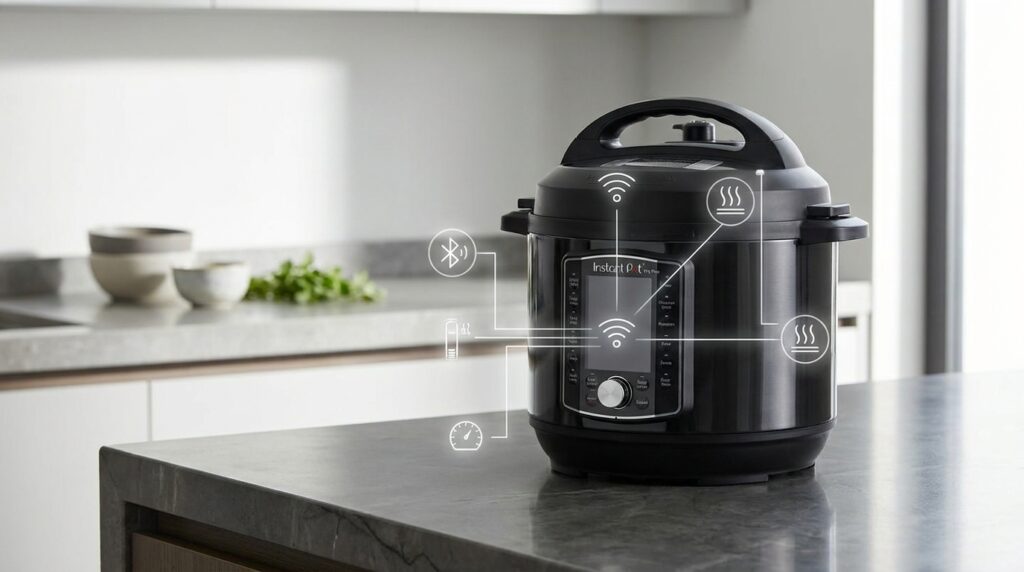
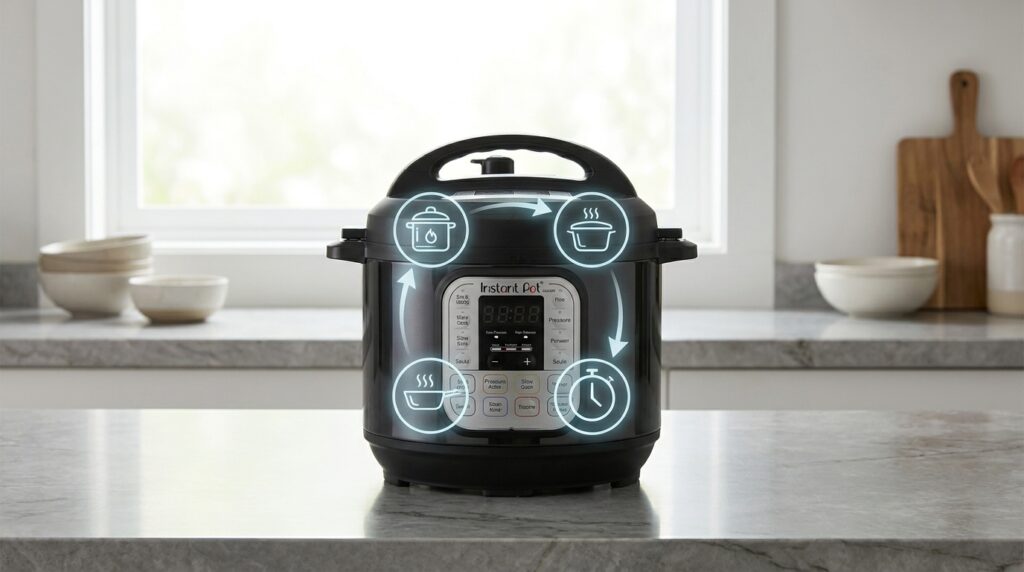
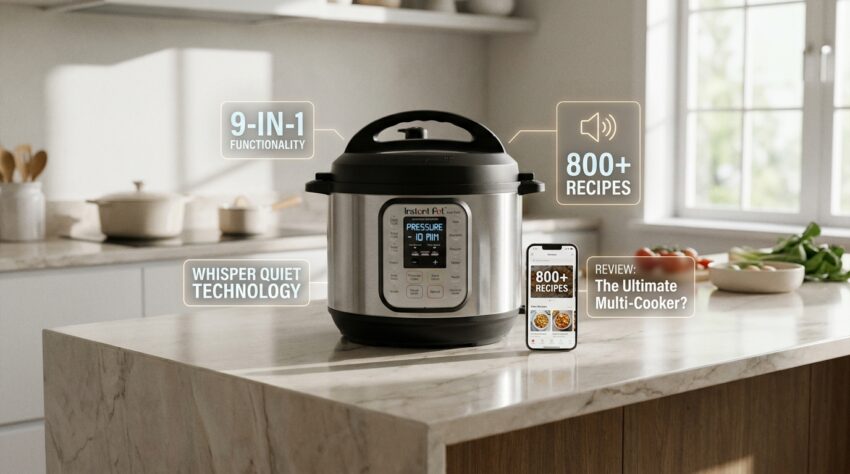
At its core, the Duo Plus is a multi-functional electric cooker that combines several kitchen tools into a single stainless steel unit. Instead of owning a separate pressure cooker, slow cooker, rice cooker, steamer, sauté pan, yogurt maker, and food warmer, this appliance consolidates those functions into one countertop device. The “9-in-1” label refers to the range of cooking modes built into its programming, and the 8-quart capacity places it on the larger end of the Instant Pot lineup, making it more suited to bigger households or those who cook in batches.
The “Whisper Quiet” branding refers to updates made to the steam release mechanism, which is designed to reduce the noise typically associated with pressure release on earlier cooker models. Anyone who has used an older pressure cooker knows that the venting process can be startling, so this is a meaningful quality-of-life improvement for many users.
Key Features Worth Knowing About
Multiple Cooking Functions in One Device
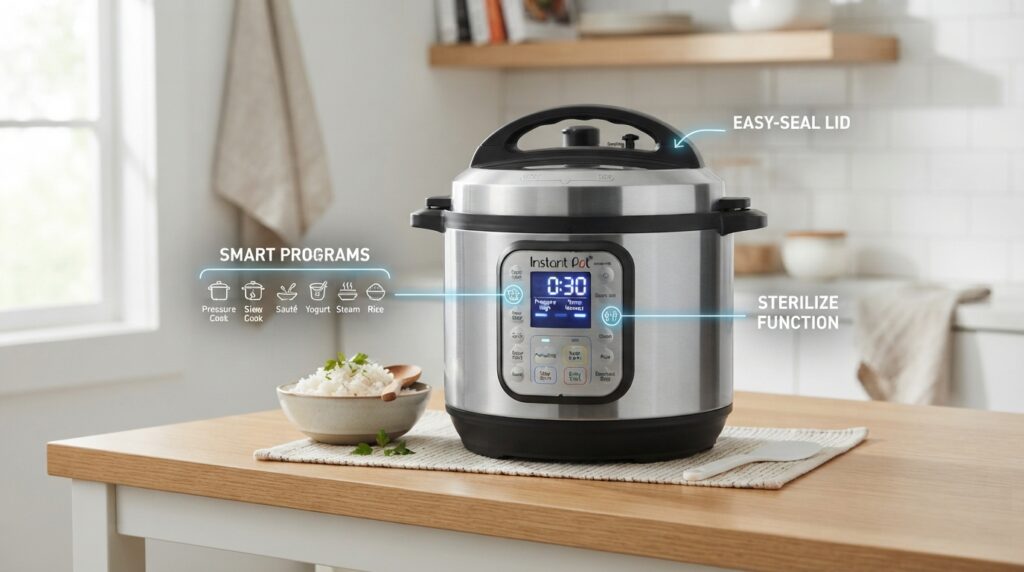
The defining feature of this appliance is its versatility. Rather than purchasing individual machines, the Duo Plus is built to handle:
- Pressure cooking, for significantly faster meal preparation
- Slow cooking, for traditional low-and-slow meals
- Rice cooking, with presets calibrated for different rice types
- Steaming, useful for vegetables, dumplings, and seafood
- Sautéing, which allows browning or searing directly in the same pot before switching modes
- Yogurt making, a feature that surprises many first-time buyers
- Warming, to keep finished dishes at serving temperature
- Sterilizing, often used for baby bottles or canning jars
Each of these functions is accessed through a control panel with dedicated presets, which reduces the guesswork that comes with manual cooking methods.
Stainless Steel Inner Pot
The inner cooking pot is made from stainless steel, which tends to be a preferred material for people who are cautious about non-stick coatings or looking for something more durable over time. Stainless steel is generally considered easier to clean thoroughly and more resistant to scratching from metal utensils, compared to non-stick alternatives.
Companion App With Recipe Access
The Duo Plus connects to a companion app that reportedly includes access to several hundred recipes. This can be a helpful feature for people who are new to pressure cooking and want guided instructions rather than guessing at cook times and liquid ratios, which are two of the more technical aspects of pressure cooking that can trip up beginners.
Advanced Safety Mechanisms
Modern electric pressure cookers, including this one, typically include multiple built-in safety features such as lid-locking mechanisms that prevent opening under pressure, overheat protection, and pressure-regulating systems. These features are worth understanding because they address one of the more common hesitations people have about pressure cooking in general—concerns that are largely rooted in older stovetop pressure cooker designs from previous generations.
Large 8-Quart Capacity
The 8-quart size is generally recommended for households of five or more people, or for those who like to meal prep in larger batches for the week ahead. It’s worth noting that larger capacity doesn’t necessarily mean a larger counter footprint in every dimension—height and width vary by brand and model, so checking listed dimensions is a reasonable step before purchasing.
How This Appliance Can Be Used in Everyday Cooking
One of the more appealing aspects of a multi-cooker is the sheer range of meals it can help produce. Here are some general categories of use:
Weeknight Meals: Because pressure cooking significantly reduces cooking time compared to conventional methods, dishes that would normally take an hour or more on the stovetop—like stews, chilis, or braised meats—can often be completed in a fraction of that time.
Batch Cooking and Meal Prep: The larger 8-quart size lends itself well to preparing food in bulk, whether that’s a big pot of grains, a large batch of soup, or shredded chicken for the week.
Rice and Grains: The dedicated rice function is calibrated to handle different rice varieties, which can be useful for people who’ve struggled with stovetop rice consistency.
Steamed Vegetables and Seafood: Using the steam function with an insert or basket allows for cooking vegetables, fish, or dumplings without submerging them in liquid, preserving texture and nutrients more effectively than boiling.
Yogurt Making: The yogurt setting maintains a consistent low temperature over an extended period, which is the key requirement for culturing yogurt at home. This is a feature that not everyone uses, but for those who do, it can reduce reliance on store-bought yogurt.
Sterilizing Baby Items: Parents sometimes use the sterilize function for bottles, pacifiers, or other small items that require high-heat sanitizing.
Slow Cooking: For those who prefer the traditional slow-cooked approach for certain dishes, the slow cook function offers that option without needing a separate appliance.
Who This Type of Appliance May Be Suitable For
Not every kitchen tool fits every lifestyle, so it’s worth thinking through who tends to get the most value from a multi-cooker like this one.
Busy Families: Households juggling schedules often find value in an appliance that can cut cooking time substantially while still producing a full, warm meal.
Meal Preppers: People who cook once and eat throughout the week may appreciate the larger capacity and the ability to prepare grains, proteins, and vegetables using different functions in sequence.
Small-Space Kitchens: Ironically, even though this is the 8-quart version, consolidating seven or more appliances into one unit can actually save cabinet and counter space compared to owning individual machines.
Beginner Cooks: The preset functions and companion app recipes can offer a helpful safety net for people who are still building confidence in the kitchen.
People Exploring Longer-Term Cooking Habits: Home cooks interested in trying new things—like homemade yogurt or fermenting—may find the added functions worth exploring, even if they weren’t the primary reason for the purchase.
That said, it may be less appealing to those who already own several dedicated appliances and don’t have a strong reason to consolidate, or to individuals cooking primarily for one or two people who might do fine with a smaller capacity model.
Important Things to Consider Before Purchasing
While multi-cookers offer a lot of convenience, there are a handful of practical points worth thinking through.
Learning Curve
Even with an app and presets, pressure cooking involves a different rhythm than traditional stovetop cooking. Concepts like natural pressure release versus quick release, or adjusting liquid ratios for pressure cooking, may take a bit of practice to get comfortable with.
Counter and Storage Space
An 8-quart unit is on the larger side. It’s worth measuring your counter or storage space beforehand, particularly if your kitchen has limited cabinet clearance or lower upper cabinets that might interfere with the lid when open.
Maintenance Requirements
Like most kitchen appliances with removable parts, the inner pot, sealing ring, and steam release valve typically require regular cleaning to function properly and avoid lingering odors, particularly if used for both savory and sweet dishes.
It’s Not a Replacement for Every Cooking Method
While the appliance covers many functions, it’s not necessarily designed to replace something like an oven for baking or a dedicated air fryer for crisping. Some multi-cooker enthusiasts pair it with other appliances rather than expecting it to do absolutely everything.
App Reliance
Some users prefer physical cookbooks or intuitive cooking rather than relying on an app-based recipe system, so it’s worth considering your own preferences around digital tools in the kitchen.
Comparing General Categories of Kitchen Cooking Appliances
Rather than comparing specific competing brands, it can be helpful to understand how multi-cookers fit into the broader landscape of kitchen appliances.
Traditional Stovetop Pressure Cookers: These require more manual monitoring and are generally considered to have a steeper learning curve, though some cooks prefer the direct control they offer.
Standalone Slow Cookers: These are simple and reliable for low-and-slow dishes but lack the versatility of pressure cooking, sautéing, or other combined functions.
Standalone Rice Cookers: Dedicated rice cookers are often praised for consistency but are limited to that single function, meaning they don’t offer the same all-in-one value.
Multi-Cookers (like the Duo Plus category): These aim to combine several appliance types into a single unit, which can be appealing for space-saving and versatility, though it does mean each individual function may not be as specialized as a dedicated single-purpose appliance.
Each category has its own strengths, and the right choice generally comes down to how much you value versatility versus specialization, along with how much kitchen space you’re working with.
Frequently Asked Questions
Is the Instant Pot Duo Plus difficult to use for beginners? Most multi-cookers, including this one, are designed with preset buttons meant to simplify the process for people who are new to pressure cooking. That said, understanding basic principles like liquid requirements and pressure release methods is still recommended before diving in.
Can it fully replace an oven? Not entirely. While it can handle a wide range of stovetop-style cooking methods, it isn’t generally designed to replicate oven baking or broiling.
How long does the yogurt-making process take? Yogurt making typically involves an extended incubation period, often several hours, since it requires maintaining a steady low temperature for the culturing process.
Is stainless steel better than non-stick for a pressure cooker? This often comes down to personal preference. Stainless steel is generally considered more durable and easier to clean thoroughly, while non-stick surfaces may offer easier food release for certain dishes.
Does the 8-quart size take up a lot of counter space? It’s larger than the 6-quart version commonly found in many households, so measuring your available space beforehand is a good idea, particularly regarding lid clearance.
Is the recipe app free to use? Recipe app access and any associated costs can vary and are subject to change, so checking the most current details directly through the app or manufacturer’s official resources is recommended.
Final Thoughts
The Instant Pot Duo Plus 8-Quart represents a fairly comprehensive approach to kitchen consolidation, combining pressure cooking, slow cooking, steaming, sautéing, and several other functions into a single stainless steel appliance. For households that value versatility, larger batch cooking, and a reduction in the number of individual appliances cluttering their kitchen, it can be a practical option worth considering. As with any kitchen purchase, it helps to think through your actual cooking habits, available space, and comfort level with new appliances before making a decision.